Beijing Digital Art Exhibition Explores AI, VR and Future Cities
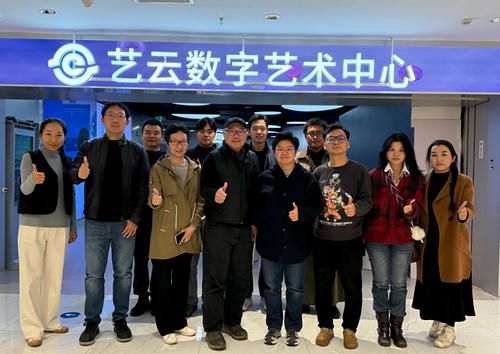
The Beijing Digital Art Exhibition experience is offering students and technology designers a new perspective on how artificial intelligence, virtual reality and interactive installations could shape future cities. Participants in the Beijing–Linz Joint Hackathon: City of the Future visited the BOE Yiyun Digital Art Center in Beijing on October 22, exploring how digital tools can transform cultural heritage and artistic expression.
The study tour formed part of the 2026 Design Marathon, an international programme bringing together students and faculty from China and abroad. The initiative focuses on three themes: future cities, cultural twins and digital entertainment.
Through a combination of creative collaboration and immersive experiences, the programme examines how technology can help designers rethink the relationship between urban life, culture and digital environments.
Beijing Digital Art Exhibition Combines AI and Immersive Technology
The exhibition, titled Spiritual Land: Future World of Inspiration, spans approximately 2,200 square metres and brings together 16 immersive and interactive installations across three themed spaces.
The experience combines technologies such as AI-generated content, virtual reality, motion capture and interactive digital displays. Rather than presenting art only as something visitors observe, the installations encourage participation through movement, touch and other forms of interaction.
One installation, Prehistoric Rock Art, allows visitors to activate ancient-style rock paintings by touching a torch. Other works explore flight, emotional expression and futuristic urban environments.
The exhibition demonstrates how digital systems can transform static visual material into experiences that respond to visitors. It also provides a setting for students to consider how emerging technologies might be applied to museums, cultural spaces and public environments.
Beijing Digital Art Exhibition Connects Culture With Future Cities
The Beijing Digital Art Exhibition visit connects with the hackathon’s broader focus on future cities and cultural expression. Participants are exploring how designers can use digital technologies to reinterpret cultural resources and create new forms of public engagement.
Traditional clothing, patterns, artworks and historical references can be translated into digital exhibitions, animations and interactive experiences. Such formats may allow audiences to engage with cultural material beyond the limitations of physical displays.
The concept of cultural twins also raises questions about how cultural identities can be represented digitally while preserving their context and authenticity. Designers must consider not only the technical possibilities of digital reproduction but also how audiences understand and experience the material.
For urban planners and creative professionals, these approaches offer ways to think about cultural spaces as more interactive environments. Digital experiences could complement existing museums, public installations and educational programmes, provided they remain accessible and meaningful to their audiences.
Beijing Digital Art Exhibition Inspires Student Collaboration
The study tour was part of the Beijing–Linz Joint Hackathon: City of the Future, which brings together interdisciplinary student teams specialising in design and technology.
The programme includes an intensive 48-hour co-creation period during which participants develop digital creative projects. These can include animations, interactive artworks and game maps exploring possible future lifestyles.
The international format connects Beijing with Linz, Austria, a city known for its Ars Electronica Festival and work at the intersection of art, technology and digital culture.
By bringing participants from different academic and cultural backgrounds together, the initiative encourages teams to approach urban challenges from multiple perspectives. The exhibition visit gives them an opportunity to experience interactive works directly before developing their own ideas.
The organisers intend the programme to widen access to academic resources and support collaboration between educational institutions. It also gives students an opportunity to translate theoretical concepts into practical creative work.
Beijing Digital Art Exhibition Shows New Uses for Virtual Reality
Virtual reality is one of the technologies used to create immersive experiences at the exhibition. In Transcendent Body, visitors can use VR headsets to explore a cyberpunk-inspired interpretation of Beijing.
The experience illustrates how virtual environments can present familiar urban spaces through alternative visual styles and imagined futures. Instead of simply viewing a city from the outside, visitors can enter a digitally constructed environment and explore it from a first-person perspective.
Other installations use interactive systems to connect movement, sound and imagery. These experiences show how digital art can combine different sensory elements to make audiences active participants.
For future-city designers, immersive technology may offer ways to communicate concepts that are difficult to convey through conventional plans or static images. However, the value of such experiences depends on the clarity of the design, accessibility for different users and the relationship between the digital environment and the real-world idea being presented.
Beijing Digital Art Exhibition Highlights Human Creativity in the AI Era
The programme also raises a broader question about the role of human creativity as AI becomes more capable of generating images, animations and interactive content.
AI tools can help artists and designers experiment with visual ideas, transform cultural references and produce digital experiences more efficiently. Yet technology alone does not determine whether a work is culturally meaningful or appropriate for a particular audience.
Participants in the programme highlighted the potential for AI and digital technologies to make previously static content more engaging. They also emphasised the importance of retaining cultural understanding and authentic connections between people and the objects or traditions being represented.
The Beijing–Linz collaboration places these questions within a practical learning environment, where students can explore new tools while considering the social and cultural implications of their work.
The Beijing Digital Art Exhibition and its accompanying hackathon demonstrate how immersive technology can support experimentation at the intersection of design, culture and urban futures. The longer-term impact will depend on how these ideas translate into creative projects and real-world experiences.