Sensorise launches WEGA M1 GSM module to strengthen India’s IoT connectivity
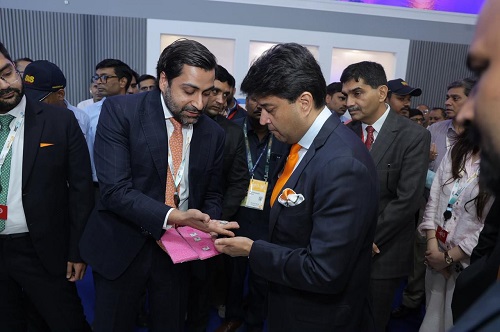
Sensorise has launched WEGA M1, a Made-in-India 4G GSM module designed to support secure and reliable connectivity for Internet of Things (IoT) devices. Unveiled at India Mobile Congress (IMC) 2026, the module is intended to provide Indian device manufacturers with a domestic alternative to imported cellular connectivity components.
Built around Qualcomm’s QCX216 LTE IoT modem, WEGA M1 targets applications including smart metering, electric vehicles, point-of-sale terminals, logistics, asset tracking and industrial IoT. The launch comes as India expands its connected-device ecosystem and places greater emphasis on domestic electronics manufacturing, cybersecurity and data sovereignty.
Sensorise says the module is designed to simplify integration for original equipment manufacturers (OEMs) and original equipment suppliers by combining cellular connectivity with remote SIM provisioning and multi-network capabilities.
Sensorise WEGA M1 GSM module targets India’s IoT ecosystem
The WEGA M1 is designed and manufactured in India to serve a market where cellular modules have traditionally relied heavily on international suppliers.
As connected devices become more common across utilities, transportation, manufacturing and retail, the underlying connectivity hardware has become an important part of product design. Manufacturers need modules that can maintain reliable network access over long operating lifecycles while meeting applicable technical and regulatory requirements.
Sensorise positions WEGA M1 as an India-developed option for businesses building connected devices for domestic deployment. Its pin-compatible design is intended to make it easier for manufacturers to migrate from compatible existing modules without extensive hardware redesign.
This could be particularly useful for companies managing large device fleets, where replacing connectivity hardware can involve engineering work, certification and additional deployment costs.
Sensorise WEGA M1 GSM module combines 4G and remote SIM provisioning
The module uses Qualcomm’s QCX216 LTE IoT modem and is designed to support cellular connectivity for applications that require long-term operation and efficient data transmission.
A key feature is its support for multi-operator and multi-IMSI capabilities, which can help devices maintain connectivity across supported mobile network configurations. Sensorise also highlights eSIM and remote SIM provisioning capabilities aligned with applicable GSMA specifications.
Remote provisioning allows supported connectivity profiles to be managed without physically replacing a SIM card. For businesses operating thousands of meters, trackers or industrial devices, this can simplify network management and reduce the need for on-site servicing.
The module is also designed to work with Sensorise’s QoSIM connectivity monitoring and analytics capabilities, allowing businesses to gain visibility into connected-device performance.
Sensorise WEGA M1 GSM module supports long lifecycle deployments
Many IoT products are expected to remain operational for years after installation. Smart meters, industrial equipment, fleet trackers and utility devices can be expensive to replace once deployed across large geographical areas.
Sensorise says WEGA M1 is designed for a product lifecycle of approximately 10 to 15 years, making long-term availability and connectivity management important considerations.
Its intended applications include smart electricity meters, connected vehicles, point-of-sale systems, logistics equipment and industrial monitoring devices.
In these environments, the cost of a cellular module extends beyond its initial purchase price. Network compatibility, remote management, maintenance requirements and long-term support can all affect the total cost of operating a connected device.
A locally developed module with remote provisioning and connectivity management features could offer manufacturers another option when designing products for extended deployment.
Sensorise WEGA M1 GSM module addresses security and data sovereignty
The launch also reflects growing attention to the security of connected-device infrastructure.
IoT modules connect physical equipment to mobile networks and digital platforms. Their design and configuration can therefore affect device reliability, network access and the management of sensitive operational information.
Sensorise says WEGA M1 is intended to support India’s evolving requirements around telecom compliance, information security and data governance. The company also points to the importance of domestic connectivity hardware as India develops its broader electronics and telecommunications ecosystem.
However, the use of an India-designed module alone does not guarantee cybersecurity. Security also depends on device software, SIM management, network configuration, authentication, updates and the systems connected to the hardware.
For manufacturers, the module represents one component of a wider effort to build secure and manageable connected products.
Sensorise WEGA M1 GSM module strengthens India’s Make in India push
The launch at IMC 2026 places WEGA M1 within India’s broader effort to develop domestic capabilities across electronics manufacturing, telecommunications and connected technologies.
The government has encouraged greater local participation in the development of digital infrastructure and network components. An India-developed cellular module adds another option for businesses seeking to reduce reliance on imported hardware.
Sensorise has indicated that it plans to take WEGA M1 to market in the first quarter of 2027, with initial deployments planned alongside selected anchor customers.
The company’s rollout will depend on market readiness, device integration, customer adoption and the relevant regulatory and technical requirements.
Sensorise WEGA M1 GSM module points to growth in connected devices
India’s IoT market spans smart utilities, mobility, retail payments, industrial automation and logistics. Each sector depends on reliable connectivity to move data between physical devices and cloud-based or enterprise systems.
As these deployments expand, demand is likely to grow for cellular modules that combine network flexibility, remote management and long-term support.
WEGA M1 enters this market as a domestic connectivity option built around a widely used LTE IoT modem platform. Its adoption will depend on how effectively it meets manufacturers’ requirements for performance, integration, cost and lifecycle support.
The launch nevertheless highlights an important development in India’s technology ecosystem: domestic innovation is extending beyond finished consumer devices into the connectivity components that enable a growing network of connected products.