Leadership Intelligence Gains Momentum as Boards Seek Better Decision-Making Frameworks
The concept of Leadership Intelligence is gaining prominence across corporate boardrooms as organizations face increasingly complex business environments shaped by artificial intelligence, economic uncertainty, digital disruption and evolving workforce expectations.
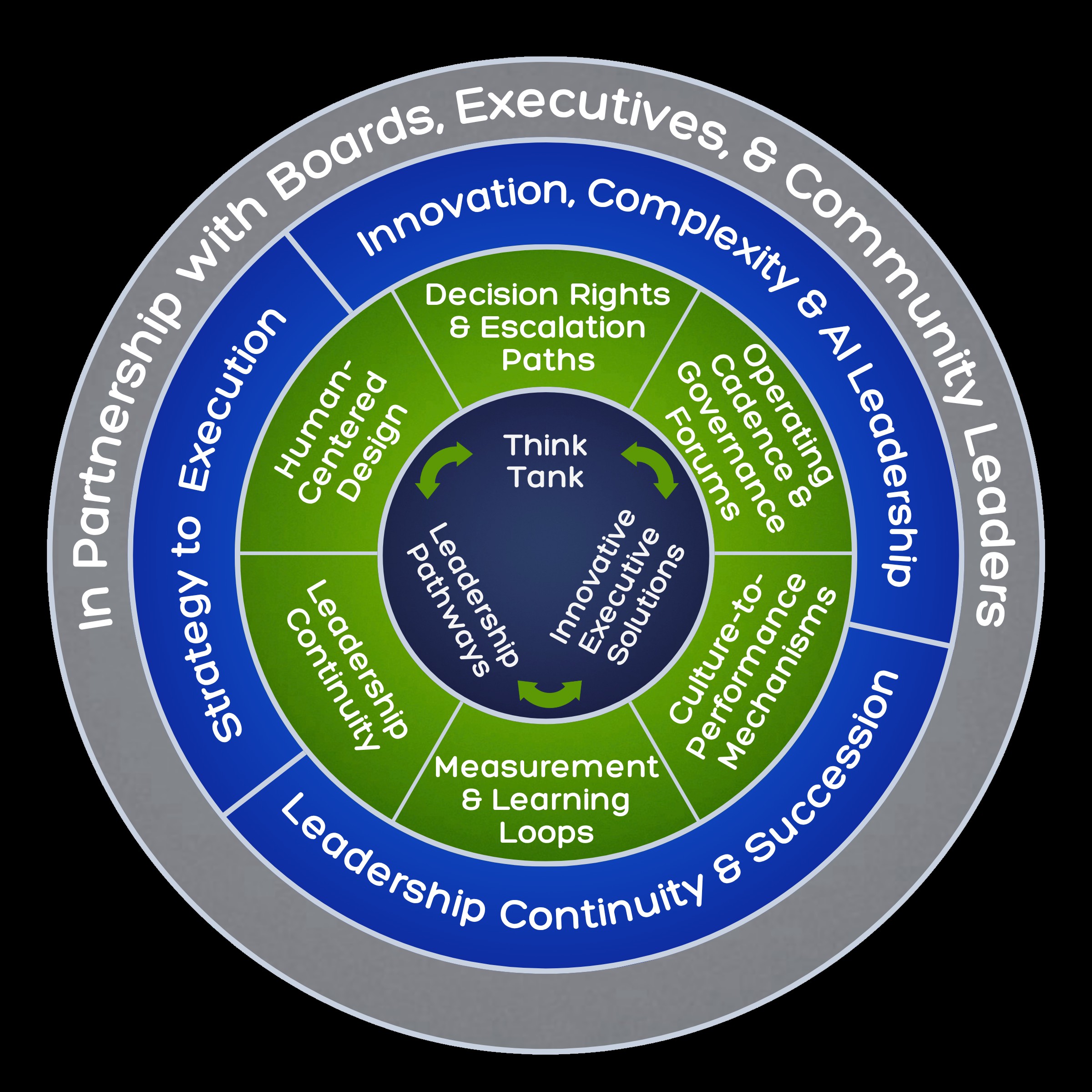
The Innovative Leadership Institute (ILI) has announced the launch of the ILI Think Tank Leadership Intelligence initiative, a platform designed to bring together executives, board members, governance experts and business leaders to explore the future of leadership and strategic decision-making. The launch reflects a growing recognition that traditional management approaches may no longer be sufficient in an era defined by rapid technological change and heightened business complexity.
As organizations navigate digital transformation, cybersecurity threats, geopolitical challenges and AI-driven disruption, leadership quality is becoming a critical differentiator between companies that successfully adapt and those that struggle to remain competitive.
Leadership Intelligence Becomes Essential for Modern Boardrooms
A key driver behind the growing focus on Leadership Intelligence is the increasing complexity of business decision-making.
Corporate leaders today face a vastly different environment compared to previous decades. Decisions involving artificial intelligence adoption, sustainability initiatives, regulatory compliance, digital transformation and workforce management often require balancing multiple competing priorities.
Industry experts argue that effective leadership increasingly depends on the ability to interpret information, anticipate risks and make informed decisions under conditions of uncertainty.
The emergence of leadership intelligence frameworks reflects a broader effort to help executives develop strategic thinking capabilities that extend beyond traditional management practices.
Organizations are increasingly investing in leadership development programs that emphasize adaptability, critical thinking and long-term decision-making.
Leadership Intelligence Supports Better Governance and Strategy
The launch of the Leadership Intelligence initiative also highlights the growing relationship between leadership effectiveness and corporate governance.
Board members are expected to oversee increasingly sophisticated organizations while managing stakeholder expectations across investors, employees, regulators and customers. This requires access to insights that support informed governance decisions.
Leadership intelligence focuses on improving how leaders evaluate information, identify emerging trends and align organizational strategies with long-term objectives.
Industry analysts note that governance failures often stem not from a lack of information but from ineffective interpretation and decision-making processes.
As a result, leadership intelligence is emerging as an important component of board effectiveness and organizational resilience.
The ability to make timely, evidence-based decisions has become increasingly valuable in fast-changing business environments.
Leadership Intelligence Gains Importance in the Age of AI
The rise of artificial intelligence is further increasing interest in Leadership Intelligence.
While AI technologies can automate processes, generate insights and support operational efficiency, they cannot fully replace human judgment in complex strategic decisions. Leaders must determine how AI should be deployed, governed and integrated within business operations.
Industry observers believe AI will amplify the importance of leadership rather than diminish it. Organizations will increasingly require leaders capable of balancing technological opportunities with ethical considerations, regulatory requirements and business objectives.
The growing adoption of AI is creating new challenges that demand stronger leadership capabilities and more sophisticated decision-making frameworks.
This shift is prompting many organizations to reassess how leadership development is approached across executive and board-level roles.
Leadership Intelligence Reflects Evolving Executive Expectations
Another factor driving interest in Leadership Intelligence is the changing nature of executive responsibilities.
Today’s leaders are expected to oversee not only financial performance but also innovation, sustainability, cybersecurity, workforce culture and stakeholder engagement. These expanding responsibilities require broader skill sets and deeper strategic awareness.
Industry experts suggest that successful leaders increasingly combine analytical thinking with emotional intelligence, adaptability and systems-level understanding.
The ability to connect diverse sources of information and translate insights into actionable strategies is becoming a core leadership competency.
As organizations become more interconnected and technology-driven, leadership intelligence is expected to play a larger role in shaping business performance and organizational success.
Leadership Intelligence Signals a New Era of Executive Leadership
The launch of initiatives focused on Leadership Intelligence underscores how leadership itself is evolving in response to modern business challenges.
Organizations are increasingly recognizing that leadership development cannot focus solely on operational management or technical expertise. Future leaders must be equipped to navigate uncertainty, leverage emerging technologies and make strategic decisions that create long-term value.
The growing emphasis on leadership intelligence reflects a broader shift toward more adaptive, informed and forward-looking leadership models.
As businesses continue confronting rapid technological and economic change, frameworks that strengthen decision-making capabilities are likely to become increasingly important.
The rise of Leadership Intelligence demonstrates how organizations are preparing leaders to operate effectively in a world where complexity, innovation and disruption are becoming permanent features of the business landscape.