
Space Based Data Centers Patent Advances Future of Orbital AI Infrastructure
As artificial intelligence continues driving unprecedented demand for computing power, researchers and technology companies are exploring alternatives to traditional terrestrial data centres. One of the most ambitious concepts is the Space Based Data Centers Patent, which proposes deploying modular computing infrastructure in orbit powered by continuous solar energy and cooled by the vacuum of space. These innovations could eventually help overcome growing constraints related to electricity consumption, cooling and land availability on Earth.
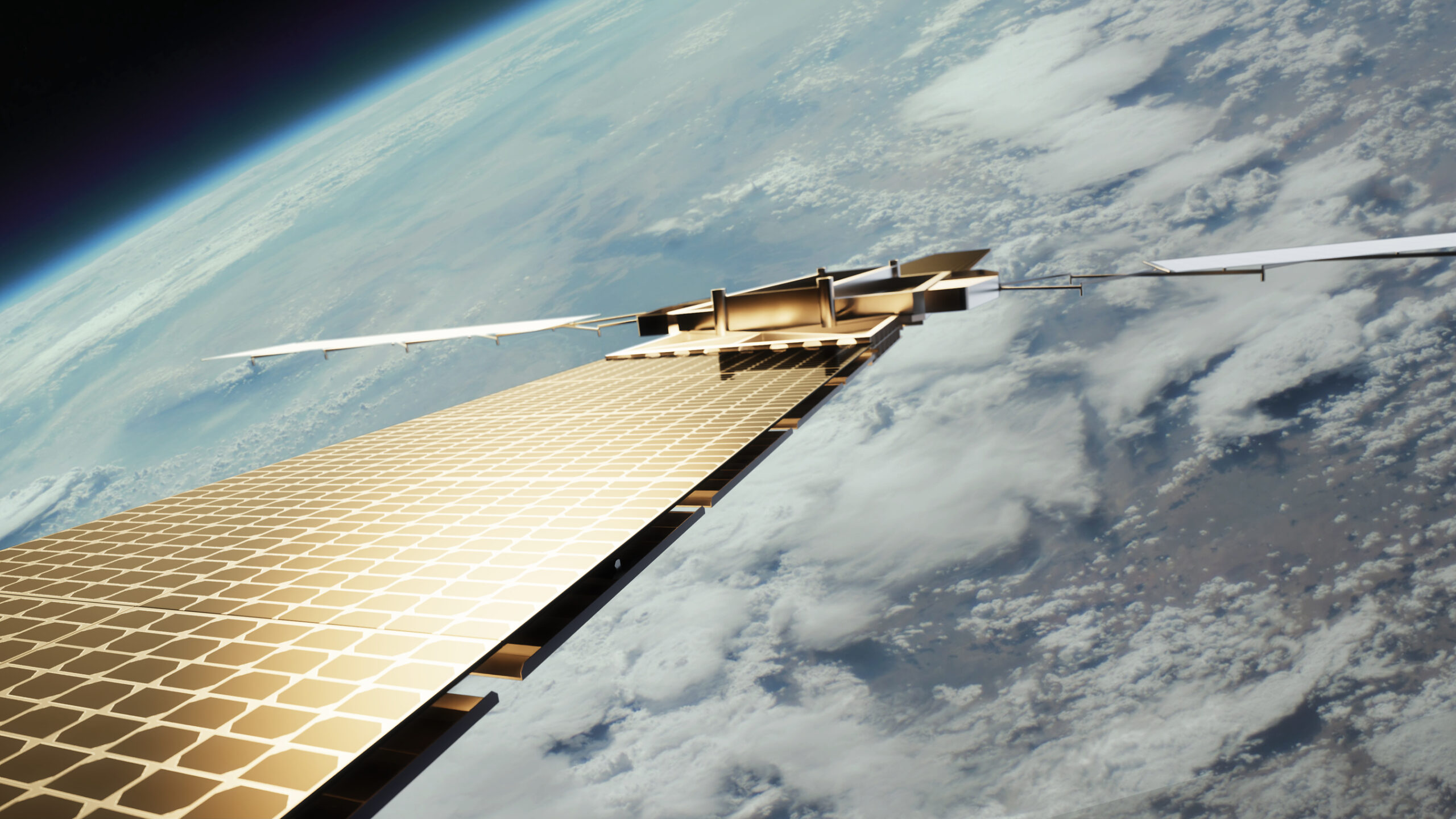
Sophia Space and the California Institute of Technology (Caltech) have secured U.S. Patent No. 12,679,564 covering architectures for Space Based Data Centers. Filed in October 2024 and issued on 14 July 2026, the patent describes large-scale modular orbital data centres that use solar energy to power onboard computing systems while dissipating heat through passive radiation into deep space. The technology originated from a high-risk research programme at NASA’s Jet Propulsion Laboratory (JPL), managed by Caltech, and is now being commercialised by Sophia Space. Alongside the patent, the two organisations have expanded their research partnership to further develop deployable structures and advanced thermal management systems for future orbital computing platforms.
The announcement reflects growing global interest in orbital computing as governments and private companies search for sustainable ways to support the next generation of AI infrastructure.
Space Based Data Centers Patent Uses Solar Power and Passive Cooling
A major advantage of the Space Based Data Centers Patent is its innovative approach to energy and thermal management.
Unlike conventional data centres that require enormous amounts of electricity and water-intensive cooling systems, the proposed orbital architecture harnesses uninterrupted solar energy while rejecting waste heat directly into deep space through passive radiative cooling. This could significantly reduce operational energy requirements while improving long-term sustainability for compute-intensive AI workloads.
Industry experts believe power availability and heat dissipation will remain two of the biggest challenges facing future AI infrastructure, making alternative computing environments increasingly attractive.
Space Based Data Centers Patent Supports Edge AI in Orbit
Another important capability of the Space Based Data Centers Patent is enabling data processing directly in space.
Instead of transmitting massive volumes of satellite data to Earth for analysis, orbital data centres could process imagery, communications and scientific information closer to its source. This approach may reduce latency, lower bandwidth requirements and improve responsiveness for applications including Earth observation, national security, scientific research and satellite constellation management.
As satellite deployments continue expanding, demand for in-orbit processing is expected to increase significantly.
Space Based Data Centers Patent Expands Research Collaboration
The Space Based Data Centers Patent is accompanied by a new sponsored research programme between Sophia Space and Caltech.
The collaboration focuses on developing lightweight deployable structures, scalable orbital architectures and advanced thermal engineering technologies needed to support future space-based computing systems. These efforts build upon earlier Caltech research in space solar power while extending its applications into artificial intelligence and orbital cloud infrastructure.
Industry analysts view university-industry collaborations as essential for accelerating commercial space technologies from laboratory concepts to operational systems.
Space Based Data Centers Patent Reflects Emerging AI Infrastructure Trends
The emergence of the Space Based Data Centers Patent highlights how rapidly AI infrastructure is evolving.
As hyperscale AI data centres consume increasing amounts of electricity and computing resources, companies are investigating unconventional solutions including modular infrastructure, renewable energy integration and orbital computing platforms. Although commercial deployment remains several years away, multiple organisations worldwide are now exploring space-based AI infrastructure as a potential long-term solution for scalable computing.
Researchers believe advances in reusable launch vehicles, satellite manufacturing and autonomous assembly technologies could make orbital data centres increasingly practical over the coming decade.
Space Based Data Centers Patent Signals Future of AI Computing
The patent awarded to Sophia Space and Caltech represents an important milestone in the evolution of Space Based Data Centers Patent technology.
By combining solar-powered computing, passive thermal management and modular orbital architectures, the project demonstrates a possible future for sustainable AI infrastructure beyond Earth. As demand for high-performance computing continues accelerating, innovations in orbital data centres may eventually complement terrestrial facilities while opening new possibilities for space-based artificial intelligence, scientific computing and global digital infrastructure.