Digital Printing Film Market Set to Reach $23.6 Billion by 2034 Amid Rising Demand for Sustainable Packaging and Smart Customization
The digital printing film market is projected to reach approximately $23.6 billion by 2034 as rising demand for sustainable packaging, smart customization, and high-resolution printing technologies continues transforming the global packaging and industrial printing industries.
According to industry projections released by Future Market Insights, the digital printing film market is expected to witness strong long-term growth as manufacturers increasingly invest in flexible packaging solutions, advanced printing technologies, and environmentally sustainable production systems.
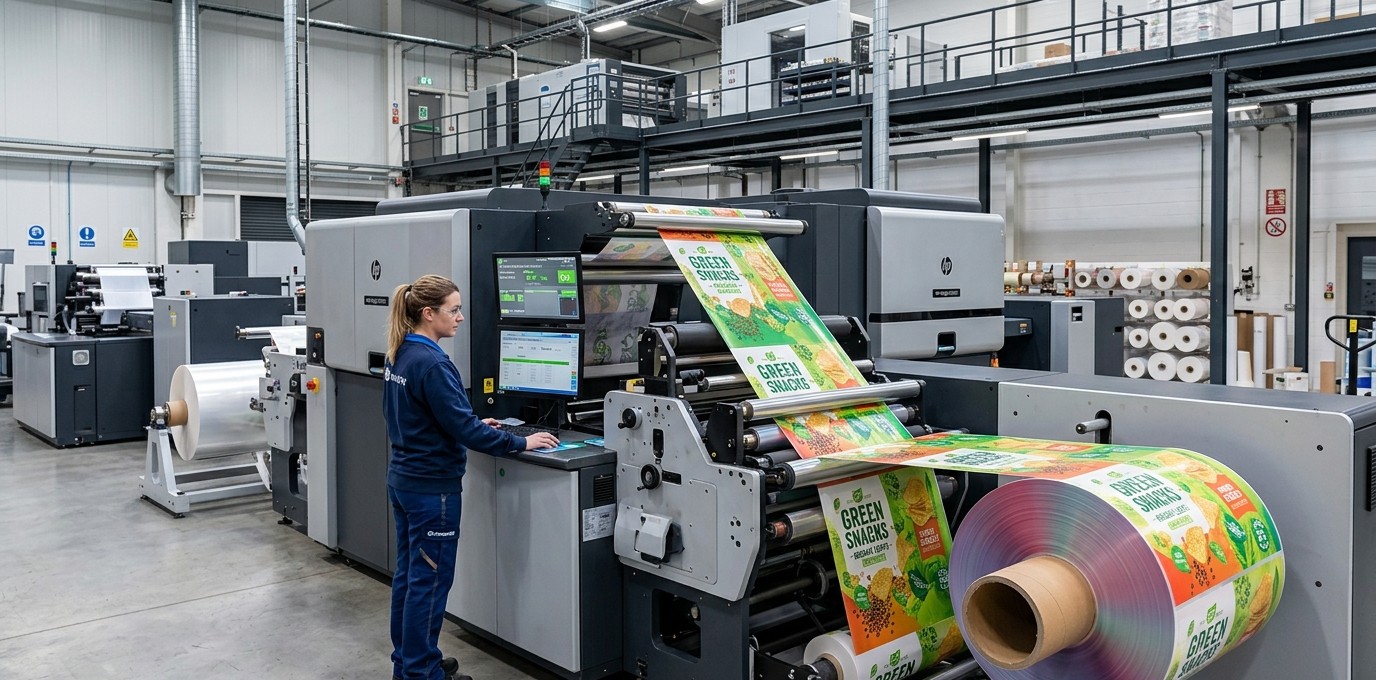
Digital printing films are widely used across packaging, labeling, advertising, industrial printing, retail branding, consumer goods, and specialty manufacturing applications where high-quality graphics, rapid customization, and shorter production cycles have become increasingly important.
The growing expansion of e-commerce, personalized packaging, and premium branding strategies is further accelerating demand for advanced digital printing film technologies capable of delivering high-resolution graphics, faster turnaround times, and lower material waste compared to traditional printing methods.
Industry analysts believe the digital printing film market is entering a major transformation phase as companies across food packaging, pharmaceuticals, cosmetics, electronics, and consumer products increasingly prioritize customization and sustainable packaging innovation.
The report highlights how businesses are shifting toward digitally enabled packaging solutions that support variable data printing, smart labeling, enhanced product visibility, and improved customer engagement through personalized branding experiences.
Sustainability is also emerging as one of the biggest growth drivers for the digital printing film market as regulators, consumers, and global brands intensify pressure on manufacturers to reduce environmental impact and improve packaging recyclability.
Many packaging companies are now investing heavily in recyclable films, biodegradable materials, low-emission inks, and energy-efficient digital printing technologies designed to support long-term sustainability goals while maintaining print quality and operational efficiency.
The rapid growth of flexible packaging is further contributing to expansion within the digital printing film market as brands increasingly adopt lightweight, durable, and visually appealing packaging formats for food products, healthcare supplies, beverages, personal care products, and e-commerce shipments.
Digital printing technologies are also becoming increasingly important for shorter production runs and customized marketing campaigns where brands require faster product launches, regional packaging variations, and targeted promotional designs without the higher setup costs associated with conventional printing systems.
High-resolution printing capabilities remain another major factor driving market growth as brands seek visually differentiated packaging capable of improving shelf visibility and enhancing consumer engagement in highly competitive retail environments.
The report also noted that advancements in printing automation, AI-driven color management systems, smart manufacturing infrastructure, and industrial IoT technologies are helping manufacturers improve operational efficiency and production scalability across digital printing operations.
Asia-Pacific is expected to remain one of the fastest-growing regions within the digital printing film market due to rising industrialization, expanding packaging demand, growing e-commerce penetration, and increasing manufacturing investments across countries including China, India, Japan, and South Korea.
North America and Europe are also witnessing strong market demand driven by sustainability regulations, premium packaging adoption, and increasing investments in smart printing technologies and environmentally responsible production systems.
Industry experts believe the next phase of growth for the digital printing film market will increasingly depend on how effectively manufacturers balance sustainability, production efficiency, customization capabilities, and cost optimization amid rapidly evolving packaging requirements.
The market is also expected to benefit from rising adoption of smart packaging technologies, QR-enabled labeling systems, anti-counterfeit printing applications, and digitally connected packaging ecosystems designed to improve supply chain visibility and customer interaction.
As global brands continue prioritizing packaging innovation, sustainability, and faster product customization, digital printing film technologies are expected to play an increasingly important role in shaping the future of industrial printing and modern packaging infrastructure worldwide.